

A summer break does more damage to a school parking lot than most administrators realize. Three months of empty lots, blistering West Texas heat, and zero foot traffic sounds harmless, but it is exactly the kind of stretch when faded striping, soft asphalt, and drainage problems quietly get worse. Then the first week of August arrives, buses start running their routes, parents line up for drop off, and everyone finds out at once what didn’t get fixed.
For campus facility managers across the Permian Basin, the weeks before students return are the last real window to catch pavement hazards before they become liability issues.
- Why Summer Break Is Hard on School Pavement
- The Areas of Campus That Get Overlooked
- Faded Striping Is Rarely the Real Problem
- Bus Lanes and Drop Off Zones Need Their Own Inspection
- ADA Access Points and Why They Get Missed
- What a Pre-Fall Pavement Walkthrough Should Cover
- Why Timing Matters More Than People Think
- Building Pavement Maintenance Into the School Calendar
Why Summer Break Is Hard on School Pavement
Most people assume a quiet parking lot is a resting parking lot. In practice, it’s the opposite.
West Texas summer heat pushes pavement surface temperatures well above what’s comfortable to stand on, and that heat softens asphalt binder even when nothing is driving over it. Add in UV exposure with no traffic to keep the surface compacted, and oxidation accelerates. The asphalt dries out, loses flexibility, and becomes more prone to cracking the moment traffic returns.
Meanwhile, any drainage weak spot that went unnoticed during the school year has all summer to erode further. A low spot that held a little water in May can be a genuine soft spot by August.
None of this shows up on a quick drive by. It shows up when a loaded bus rolls over it for the first time in the fall.
The Areas of Campus That Get Overlooked
School pavement isn’t one surface. It’s several different zones that each wear differently, and each one needs its own look before the first bell.
- Main parking lots for staff and visitors
- Bus loops and bus loading zones
- Parent drop off and pickup lanes
- Fire lanes and emergency vehicle access
- Crosswalks and pedestrian paths
- ADA accessible parking and ramps
- Playground perimeter paving, where applicable
- Service and delivery access points
Each of these zones carries different traffic weight, different speeds, and different safety stakes. A hairline crack in a back corner lot is a maintenance note. The same crack widening in a bus lane is a different conversation entirely.
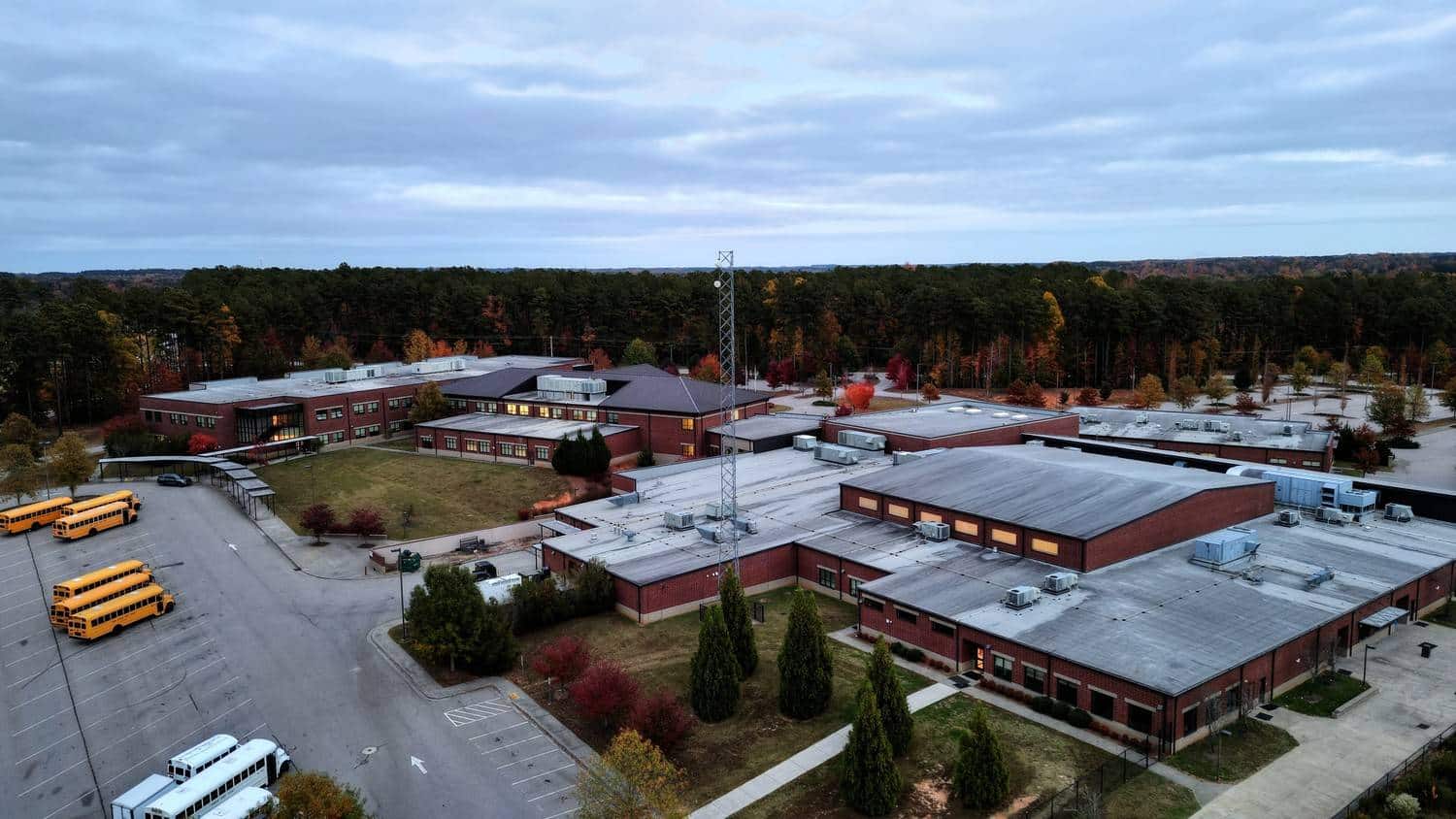
Faded Striping Is Rarely the Real Problem
Here’s the part most campus staff get backwards. When a parking lot looks tired, the instinct is to call for fresh paint. Repaint the lines, repaint the crosswalks, done for another year.
As John McDonald, owner of Permian Paving, puts it, faded striping is usually a symptom, not the actual issue. Paint doesn’t fade evenly for no reason. It fades faster over areas where the asphalt underneath is already oxidizing or where water is pooling and washing pigment away. Painting over a surface that needs sealcoating or crack repair first just hides the warning sign for another season, and the underlying deterioration keeps going.
The more useful question isn’t “does this need new paint.” It’s “why did the paint fail here, and is the pavement underneath asking for help.” That single shift in thinking is one of the most counterintuitive but important habits a facilities team can adopt.
Bus Lanes and Drop Off Zones Need Their Own Inspection
Bus lanes take a different kind of punishment than a standard parking stall. Buses are heavy, they stop and start repeatedly at the same points every single day, and that repetitive braking and turning concentrates stress on a narrow strip of pavement.
Watch for these signs specifically along bus loops and drop off lanes:
- Rutting or wheel path depressions where buses consistently travel
- Cracking that follows the exact turning radius of the bus loop
- Standing water after rain in the loading area
- Crumbling pavement edges where buses pull close to curbs
Because these lanes see concentrated, repetitive loading, problems here tend to progress faster than in a general parking lot. A small dip that seems minor in June can become a real jolt for a bus full of students by October if it isn’t addressed over the summer.
ADA Access Points and Why They Get Missed
Accessible parking spaces, curb ramps, and the paths connecting them to building entrances are often the last thing anyone inspects, mostly because they’re used less frequently than main traffic lanes. That’s exactly why they need deliberate attention rather than a passive glance.
Settlement, cracking, or surface unevenness along these paths isn’t just a maintenance concern. It’s a compliance and safety issue that affects real students, staff, and visitors who depend on that access every day. A pre-fall walkthrough should include these paths specifically, not as an afterthought after the main lot is checked.
What a Pre-Fall Pavement Walkthrough Should Cover
A thorough walkthrough doesn’t require special equipment, just a deliberate eye and enough time to look past the surface.
- Walk every zone listed above, not just the main visitor lot
- Note any cracking pattern, especially interconnected cracking that suggests base issues underneath rather than surface wear
- Check for standing water or staining that indicates drainage problems
- Look at striping and crosswalk visibility under both daylight and low light conditions
- Test accessible routes for evenness and slope
- Document problem areas with photos and locations for follow up
Campuses that run this kind of walkthrough in July, rather than waiting until the first week of classes, give themselves enough lead time to actually get repairs scheduled and completed before buses and cars are back in full rotation. That’s also a good moment to have professional asphalt repairs addressed before any sealcoating or striping work goes down, since sealing over damage just locks the problem in rather than fixing it.
Why Timing Matters More Than People Think
Scheduling matters as much as the inspection itself. Asphalt work, whether it’s crack repair, patching, sealcoating, or restriping, needs the right weather window to cure properly, and school calendars don’t leave much flexibility once the semester starts.
Waiting until the week before school starts to call a contractor puts everyone in a tight spot. Crews need daylight hours, dry conditions, and enough curing time before a lot gets walked and driven on again by hundreds of people a day. Starting the conversation in early or mid summer gives enough runway to get work done properly instead of rushed.
Building Pavement Maintenance Into the School Calendar
The campuses that avoid last minute pavement scrambles tend to be the ones that treat asphalt maintenance the same way they treat HVAC checks or roof inspections, as a recurring item on the facilities calendar rather than a reaction to a complaint or an incident.
A simple annual rhythm works well for most districts and private campuses:
- Late spring: initial walkthrough while school is still in session
- Early summer: repairs scheduled and completed while lots are empty
- Mid to late summer: sealcoating and restriping once repairs are cured
- First week of school: final visual check before full traffic resumes
Institutions that follow a pattern like this consistently spend less on emergency repairs and catch problems while they’re still small and inexpensive to fix.
Permian Paving has worked with schools, municipal facilities, and institutional campuses across the Permian Basin for over three decades, and the pattern holds true across nearly every property: proactive summer maintenance is almost always less disruptive and less costly than fall firefighting.
Get Your Campus Ready Before the First Bell
Fall traffic doesn’t wait for anyone to finish a project. Once students, staff, and buses are back on campus, the window for major pavement work closes fast, and any hazard that wasn’t addressed becomes a daily risk instead of a summer task.
If your campus hasn’t had a pavement walkthrough yet this summer, now is the time. Permian Paving offers free quotes and pavement evaluations for schools, municipal facilities, and institutional properties throughout Midland, Odessa, and the wider Permian Basin, with the experience to tell you honestly what needs attention now and what can wait. Call 432-214-5398 or request a free evaluation before your campus fills back up.