

A city council meeting in October usually has the same theme. Someone brings up a pothole complaint, public works points to a road that’s been on the list since spring, and the conversation ends with next year’s budget instead of this year’s fix. By the time spring rolls back around, that same crack has turned into three potholes and a pending repair bid that costs more than the original job would have.
Fall is the window most municipalities in the Permian Basin waste without realizing it. The weather is workable, the summer heat that makes asphalt hard to compact has passed, and winter moisture hasn’t started attacking every crack in the roadway yet. What a city does with that window determines how rough its roads look, and how much its maintenance budget stretches, come spring.
In this article:
- Why Fall Is the City’s Last Real Window Before Winter
- What Freeze-Thaw Does to Untreated Cracks and Potholes
- Crack Sealing Is the Cheapest Fix Cities Skip
- Pothole Patching Before the First Freeze
- Restriping and Visibility as Daylight Hours Shrink
- Storm Drains, Culverts, and Pavement Drainage
- Why Fall Is Actually Better Paving Weather Than Summer
- Building Fall Maintenance Into Next Year’s Capital Plan
Why Fall Is the City’s Last Real Window Before Winter
Municipal road crews and public works departments work against a calendar, not just a budget. Once winter moisture and freeze-thaw cycles set in, the type of preventative work that saves money the most, crack sealing and small patch repairs, becomes far less effective and far more urgent all at once.
Fall gives cities a stretch of dry, moderate weather to seal, patch, and stripe roadways before that window closes. Miss it, and the same repair list waits until spring, except now it’s longer and more expensive.
What Freeze-Thaw Does to Untreated Cracks and Potholes
A crack that looks cosmetic in October can become a structural problem by February.
Here’s the mechanism. Water works its way into any open crack during fall rains. When temperatures drop overnight, that water freezes and expands, physically prying the crack wider from the inside. It thaws during the day, more water gets in, and the cycle repeats every time the temperature swings across freezing. Each cycle widens the crack a little more and loosens the surrounding asphalt.
Left alone through a full winter, a small crack that would have cost a fraction to seal in the fall often becomes a pothole that requires a full patch, or worse, a base repair, by the time spring arrives. This is one of the most predictable, most preventable cost drivers in municipal pavement budgets, and it’s also one of the easiest to avoid with timing alone.
Crack Sealing Is the Cheapest Fix Cities Skip
Crack sealing rarely gets prioritized because it doesn’t look urgent. There’s no pothole, no complaint, nothing visibly dangerous. That’s exactly why it gets pushed down the list behind more visible repairs.
As John McDonald, owner of Permian Paving, points out, the roads that end up costing cities the most over time are usually the ones that looked fine going into winter. Crack sealing while a road is still structurally sound is the single highest return maintenance action a city can take, because it stops water intrusion before the freeze-thaw cycle even gets a chance to start working.
Crack sealing candidates typically include:
- Longitudinal and transverse cracks along traffic lanes
- Edge cracking along shoulders and curb lines
- Reflective cracking over previous patch work
- Joint separation at intersections and driveway cuts
Sealing these now, while the pavement is dry and workable, is far less disruptive and far less costly than the alternative of full-depth patching after winter takes its toll.
Pothole Patching Before the First Freeze
Existing potholes need attention before the ground freezes, not after. A pothole patched in dry fall conditions bonds properly with the surrounding asphalt. The same patch attempted in wet, cold conditions often fails quickly, sometimes within weeks, because moisture and temperature work against proper compaction and adhesion.
Cities that patch aggressively in fall typically see those repairs hold through the entire winter season. Cities that wait end up repatching the same locations multiple times before spring, which costs more in materials, labor, and crew time than doing it right once in October.
Restriping and Visibility as Daylight Hours Shrink
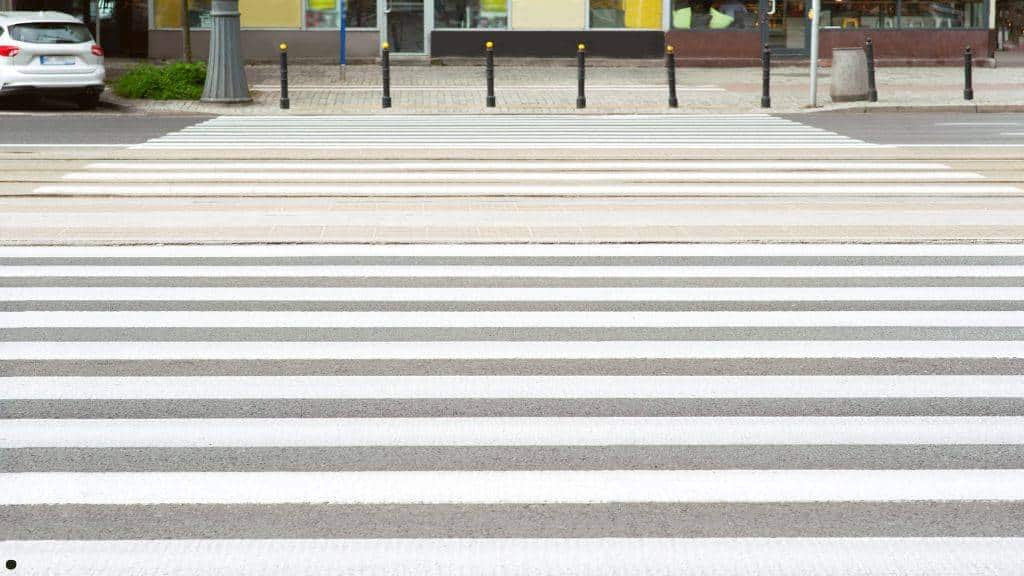
Fall brings shorter days and earlier commutes in the dark. Faded lane lines, crosswalks, and stop bar markings that were tolerable in the long daylight of summer become a genuine visibility and safety issue once sunset starts arriving during rush hour.
School zones deserve particular attention here, along with intersections, curves, and any stretch of roadway where drivers rely on markings to judge lane position in low light or headlight glare. A restriping pass in early fall, timed before the shortest days of the year arrive, keeps roadways safer through the darker months.
Storm Drains, Culverts, and Pavement Drainage
Pavement failures rarely start with the pavement itself. Most begin with water that has nowhere to go.
Fall is a practical time to clear storm drains, culverts, and roadside ditches of debris before winter precipitation arrives. Blocked drainage sends water pooling onto road surfaces and shoulders instead of away from them, and that standing water is exactly what accelerates the freeze-thaw damage described earlier. A drainage check alongside a pavement inspection catches two problems in one pass instead of discovering them separately after damage is already done.
Why Fall Is Actually Better Paving Weather Than Summer
Most people assume summer is the ideal season for asphalt work, since it’s dry and warm. In practice, extreme summer heat across the Permian Basin can work against a quality paving job. Asphalt that’s too hot doesn’t compact the same way, and crews have a narrower working window before the mix cools or the surface becomes difficult to finish properly in triple digit heat.
Fall temperatures, once the worst of the summer heat has broken, often provide a more consistent compaction window for both patching and full paving projects, without yet introducing the cold temperatures and moisture that complicate winter work. For cities planning a larger repaving or overlay project, fall is frequently a better fit than the peak of summer, not a fallback option.
Building Fall Maintenance Into Next Year’s Capital Plan
A fall inspection also does double duty as budget planning. Documenting which roads need crack sealing, which need patching, and which are approaching the point where a full overlay makes more sense than another round of patches gives public works directors real data to bring into the next capital improvement cycle.
A simple annual rhythm that works well for most municipalities:
- Early fall: pavement inspection and drainage clearing
- Mid fall: crack sealing and pothole patching completed before first freeze
- Late fall: restriping in priority zones with reduced daylight
- Winter: monitoring only, major work paused
- Spring: capital planning informed by what fall’s inspection revealed
Permian Paving has supported municipal and public works clients across the Permian Basin for over three decades, and the pattern is consistent. Cities that treat fall as their primary maintenance window, rather than an afterthought before winter, spend meaningfully less on emergency repairs the following year.
Get Ahead of Winter Before the Freeze Sets In
Once the first hard freeze hits, the cost of ignoring a crack or a pothole goes up fast, and it stays higher until spring gives crews another workable window. Fall is the more affordable, more effective time to act.
Permian Paving offers free quotes and pavement evaluations for municipal and public works clients throughout Midland, Odessa, and the greater Permian Basin. Call 432-214-5398 to schedule a fall roadway assessment before winter narrows the window for repairs.